


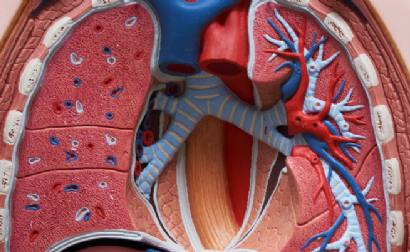
Taurine is a non-protein amino acid that is expressed in the majority of animal tissues. With its unique sulfonic acid makeup, taurine influences cellular functions, including osmoregulation...
Περισσότερα
Taurine is a nonessential amino acid that has received much attention. Two organs, the heart and the brain, are known to produce their own taurine, but in very limited quantities...
Περισσότερα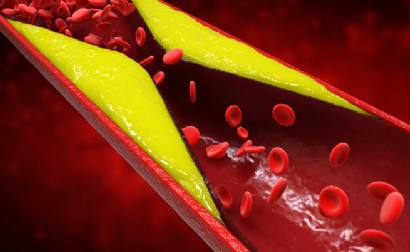
Mitochondria produce reactive oxygen species that may contribute to vascular dysfunction. α‐Lipoic acid and acetyl‐L‐carnitine reduce oxidative stress and improve mitochondrial function...
Περισσότερα
Background: Centenarians are characterized by weakness, decreasing mental health, impaired mobility, and poor endurance. L-Carnitine is an important contributor to cellular energy metabolism...
Περισσότερα
Recent studies have demonstrated that minerals play a role in glucose metabolism disorders in humans. Magnesium, in particular, is an extensively studied mineral that has been shown to function in the management of ...
Περισσότερα
Objective To determine the clinical outcomes of older COVID-19 patients who received DMB compared to those who did not. We hypothesized that fewer patients administered DMB...
Περισσότερα
Aging is associated with physiological changes that range in scale from organelles to organ systems, but we are still working to understand the molecular basis for these changes...
Περισσότερα